Music education is generally built on performance, assessment and critique. While constructive feedback is essential for growth, in my experience (and opinion), students always learn best when they feel safe enough to ask questions, make mistakes and take risks without fear of embarrassment, judgement or ridicule. Now, please don’t get me wrong! I’m not a fan of mollycoddling, fake praise or false hope from unrealistic environments and untruthful feedback; however, there’s definitely room for students to explore learning in an environment that allows for imperfection.
Psychological safety is the belief that you can speak openly, share ideas, admit uncertainty and be yourself without negative consequences. In educational settings, it creates an environment where learning can flourish.
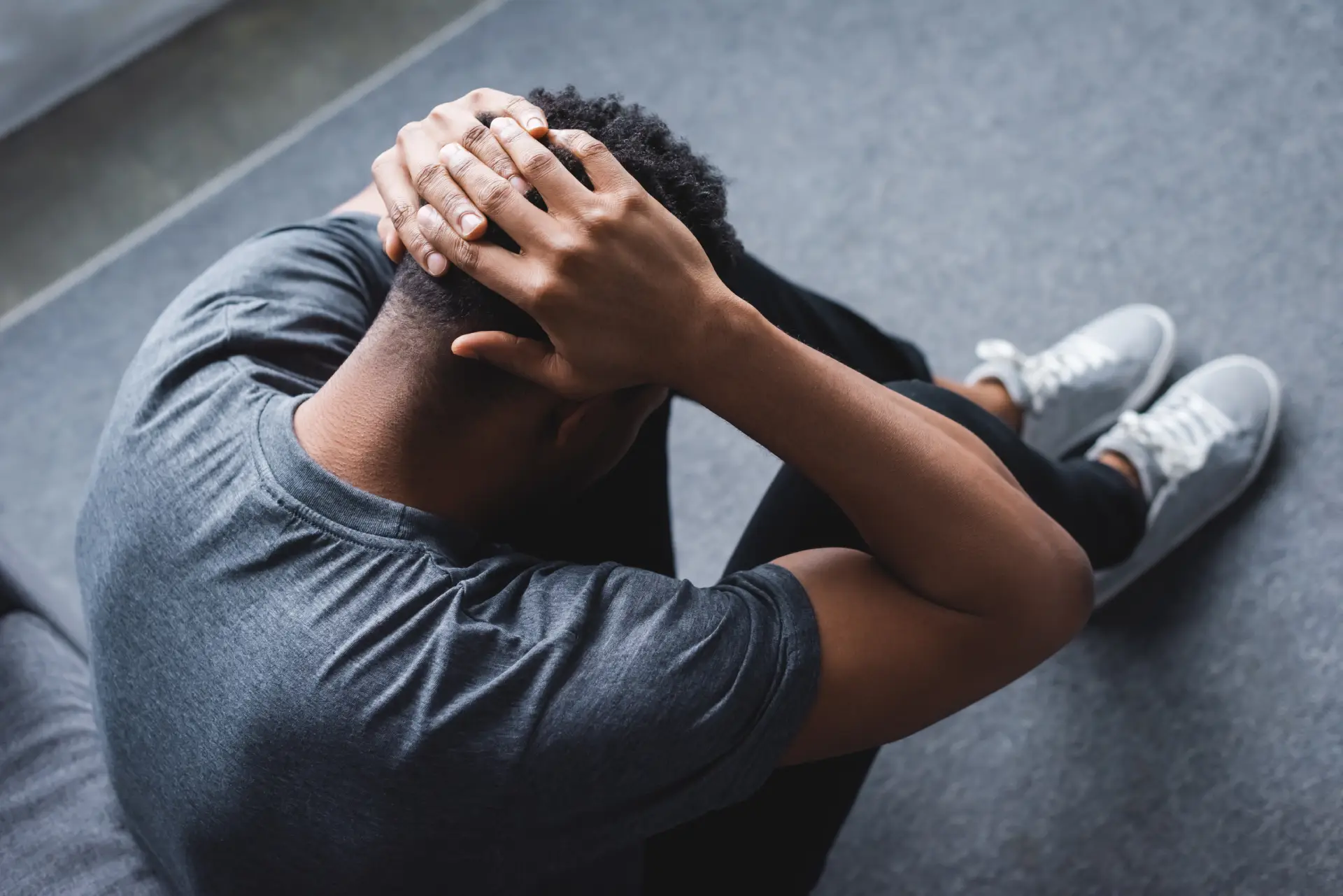
Many students arrive carrying more than just a desire to improve their musical skills. They may be managing anxiety, perfectionism, self-doubt, neurodivergence, financial pressures or social challenges. When educational institutions recognise this and create supportive learning environments, students are more likely to engage, experiment, develop confidence and then eventually become an asset to the school.
Psychological safety does not mean lowering standards or avoiding feedback. It means delivering feedback in a way that supports growth rather than fear. Students who feel safe, seen and respected are likely to be more resilient, motivated and willing to push beyond their comfort zones.
The future of music education should not only focus on technical excellence. It should also prioritise environments where students feel heard, supported and empowered to develop both as musicians and as people. Simply put, when students feel safe, they learn better! I may not have the formal research to back this up, but I do have the raw, lived research from my extensive experience of teaching.
At Change The Tempo, we believe psychological safety should not be viewed as an afterthought. It should be a fundamental part of a healthy and sustainable music education environment.